江原道藝術棲地 Gangwon Art Habitat
已更新:1月24日

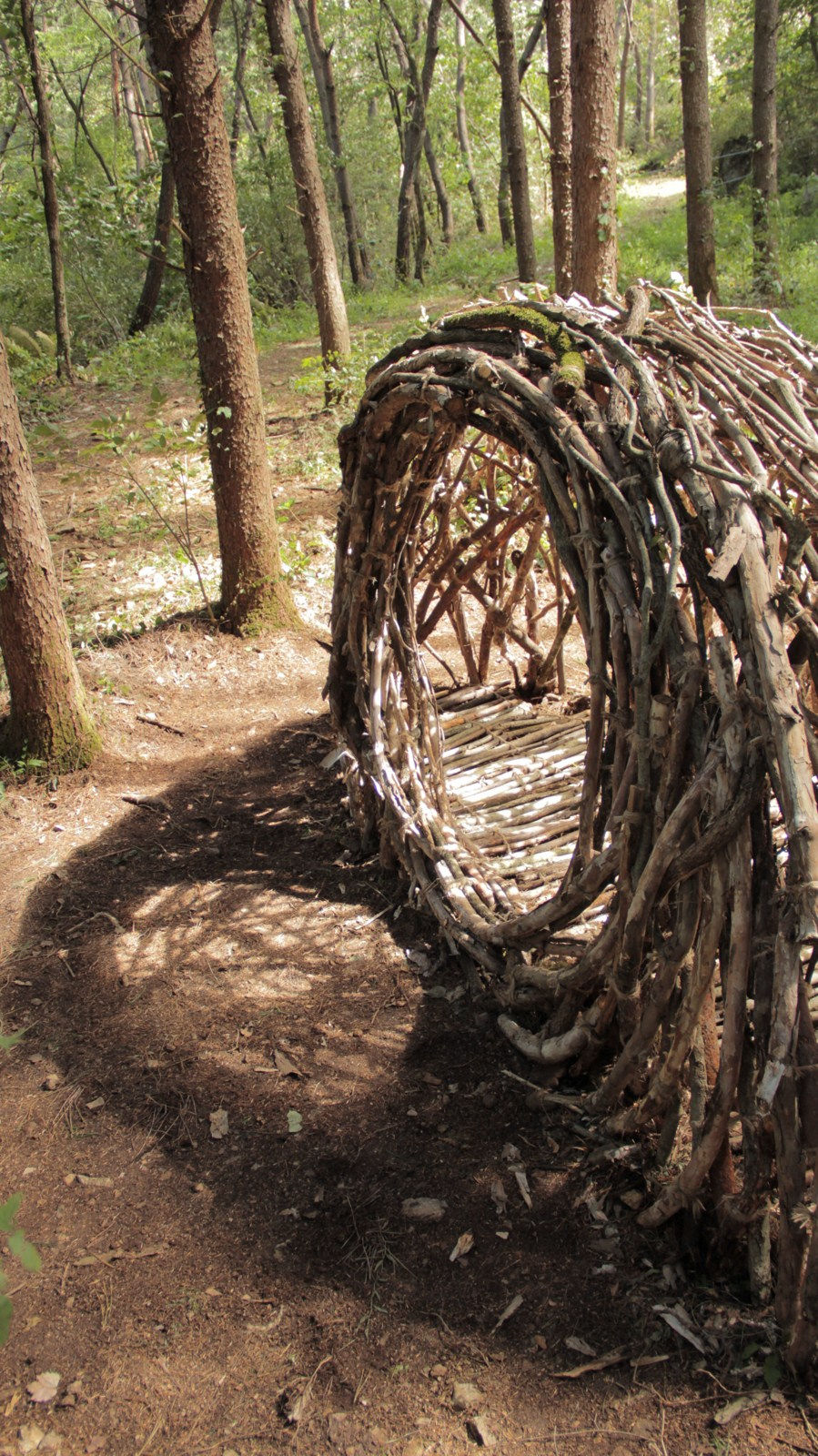
作品名稱:江原道藝術棲地
創作者:李蕢至
材質:樹枝、麻繩
地點:韓國江原道百樂寺旁的森林 (37.7782N, 128.0116E)
尺寸:約300cm (L) x 130cm (W) x 210cm (H)
年代:2016
“江原道環境藝術節”
2016 年,我受邀至南韓江原道北部山林進行創作,場域位於遠離城市的百樂寺(Baengnaksa Temple)周邊森林。寺院主奉釋迦牟尼佛,隱身於人煙稀少的自然環境中,使信仰回歸簡樸生活,與自然生靈共存。此地同時鄰近南北韓 38 度線,創作期間偶爾可聽見軍事演習的砲擊聲,使寧靜的山林隱約承載著緊張的時代背景。
「藝術生境」系列將藝術家視為特定場域中的一種生物,依循自身的生活經驗與創作習性,在現地生成一種藝術的「生態位」。本作品以江原道森林為棲地,材料皆為可生物分解的自然素材,避免使用對環境有害的物質,以回應生態保護與環境永續的原則。
作品形式源自野地露營與臨時掩蔽所的記憶,是人類最接近土地的生活狀態。我在森林中收集樹枝,將其相互編織成一座自然棲地。午後陽光穿過結構,在地面投射出若隱若現的圓形光影,宛如山中寺院般,靜靜等待日出與風景的出現。
此棲地不僅是人與動植物短暫共存的空間,也隱喻著人在世界各種疆界與領土游移中的漂泊狀態。在自然、信仰與地緣政治交錯的場域中,作品如同一個溫柔而脆弱的存在,指向對和平、棲居與生命共生的靜默期待。
Gangwon Art Habitat01
Title: Gangwon Art Habitat
Artist: Lee, Kuei-Chih
Material: Branches, Hemp rope
Location: The forest near Baengnaksa Temple, Gangwon-do, Korea (37.7782N, 128.0116E)
Size: About 300cm (L) x 130cm (W) x 210cm (H)
Year: 2016
“Gangwon Environment Installation Art Exhibition”
In 2016, I was invited to create a work in the forests of northern Gangwon Province, South Korea. The site was located near Baengnaksa Temple, a Buddhist temple dedicated to Shakyamuni Buddha, situated deep in the mountains far from urban life. Removed from the noise of the city, the temple allows spiritual practice to return to a simple way of living—coexisting with nature and all living beings.
Each year, the Gangwon Environmental Installation Art Committee, together with professors and students from Seoul-based art universities, resides at the temple and works alongside the resident monk as part of the International Gangwon Environmental Installation Art Exhibition. Artistic creation takes place within the surrounding natural environment, and artists are required to avoid materials harmful to the ecosystem in order to preserve ecological integrity. The site is also located not far from the 38th parallel dividing North and South Korea, and during my stay, the distant sounds of military artillery exercises could occasionally be heard.
The Art Nomadic series views the artist as a living organism within a specific site—one that responds to its environment through personal habits, lived experience, and artistic perception. Through this process, the work forms a temporary artistic “ecological niche” within the landscape.
This Art Nomadic habitat was constructed in the forests of Gangwon Province using biodegradable, natural materials, emphasizing environmental responsibility and sustainability. The form takes inspiration from outdoor wilderness shelters, rooted in my own camping experiences—perhaps one of the most direct ways humans come into contact with the land.
The structure resembles a place of quiet waiting, as if anticipating sunrise or a beautiful landscape. In the afternoon light, faint circular shadows appear within the shelter. It is not merely a temporary refuge for humans, animals, and plants, but also a metaphor for human migration and displacement amid the shifting territorial boundaries of the world.
In a global landscape marked by conflicts over borders and land, I gathered branches from the surrounding forest and wove them together to form this natural habitat. As sunlight filters through the structure, the soft circular shadows echo the presence of the mountain temple nearby—quietly holding a hope for peace, waiting for dawn and a renewed horizon.
留言